
Grapes
Exploring the Voskehat Grape Varietal: A Taste of Armenia's Heritage
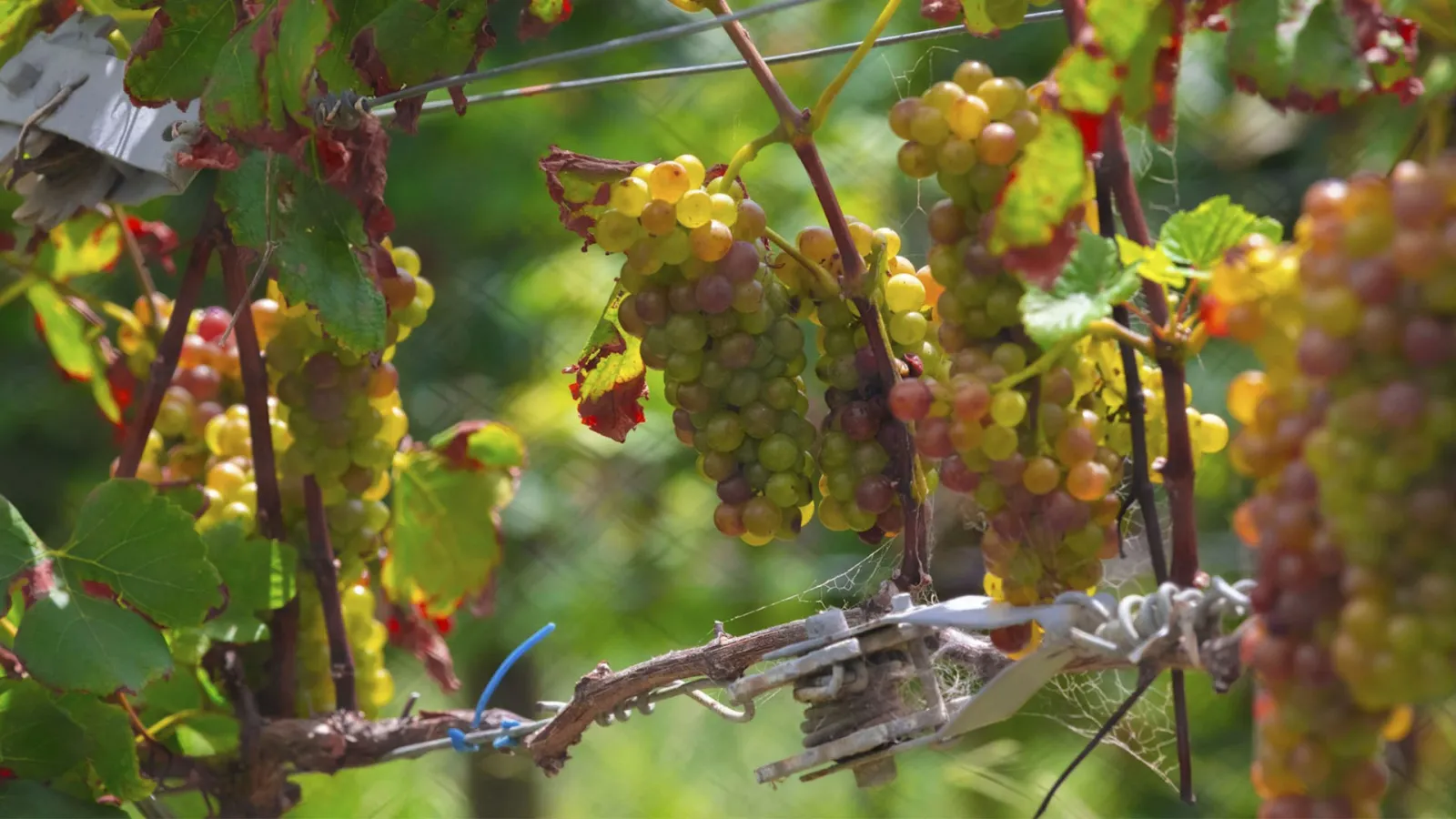
Voskehat, sometimes called the “queen” of Armenian grape varieties, is an indigenous white varietal known for producing complex and aromatic wines with rich fruit and floral notes. It is Armenia’s oldest and most celebrated white grape, cherished for its unique flavour profile, taste and adaptability across different wine styles.
Characteristics and Qualities
Grape Characteristics
- Appearance: The Voskehat grapes are medium to large, with thick, golden-yellow skins that deepen in colour as they ripen. The clusters are usually compact and cylindrical.
- Aroma and Flavor Profile: Voskehat wines are highly aromatic, typically displaying notes of stone fruits, such as apricot and peach, alongside floral notes like white flowers and hints of herbs, making it a distinctive grape variety. Subtle undertones of honey and minerality are also common, especially in wines from volcanic soils.
- Sugar and Acid Levels: Voskehat tends to accumulate good sugar levels while retaining balanced acidity, making it suitable for a range of wine styles from dry to sweet.
Winemaking Potential
- Style Versatility: Voskehat’s adaptability allows it to be used in various styles, including dry, semi-sweet, sweet, and even sparkling wines. It is also well-suited for skin contact or “orange” wine production, which enhances its complexity and structure and can be used to produce both dry and sweet wines.
- Aging Potential: While Voskehat wines are often enjoyed young for their fresh, aromatic qualities, high-quality examples have excellent aging potential, developing deeper honeyed, nutty, and mineral notes over time.
- Food Pairing Recommendations: Voskehat pairs well with a range of dishes, including grilled fish, roasted poultry, and soft cheeses. Its aromatic profile also complements Middle Eastern and Mediterranean flavours, and its fuller-bodied examples pair beautifully with richer dishes like lamb or pork.
Historical Context and Origin of Armenian Grape Varieties
Voskehat’s origins are deeply rooted in Armenia’s ancient winemaking heritage, dating back thousands of years. Often associated with the ancient vineyards of the Armenian highlands, Voskehat has been cultivated in the region for centuries and is linked to Armenia’s viticultural traditions. Its name translates to “golden seed” or “golden berry,” reflecting the grape’s yellow-gold hue and the high value placed on this variety.
Viticultural Aspects
- Climate and Soil Preferences: Voskehat is a white grape variety well-suited to Armenia’s continental climate, thriving in high-altitude vineyards with warm days and cool nights. It prefers volcanic and rocky soils, which enhance its mineral character and contribute to its complexity.
- Yield Potential and Vine Vigor: Voskehat is a vigorous grape with moderate yields. Vineyard management, including canopy control and selective harvesting, is important to maintain quality and concentration.
- Susceptibility to Diseases and Pests: Voskehat is relatively resistant to disease, though it can be vulnerable to powdery mildew and other fungal diseases in wetter years. Its thick skins provide some resilience, making it suitable for both dry and sweet winemaking styles.
Geographic Distribution and Cultivation
Voskehat is primarily cultivated in Armenia, where it thrives in the country’s volcanic soils and continental climate. Key regions include the Ararat Valley and Vayots Dzor, areas renowned for their ideal growing conditions for indigenous grapes. While Voskehat remains predominantly Armenian, interest in Armenian varietals is growing, leading to limited experimentation in neighbouring regions. Notable estates like Hin Areni have access to their own Voskehat vines, contributing significantly to the winemaking heritage of the Vayots Dzor region.
Significance and Popularity
Voskehat holds a special place in Armenian winemaking, serving as the backbone of Armenian white wine production. Its ability to produce both youthful and age-worthy wines has helped it gain a reputation for quality and character, contributing to Armenia’s emerging identity as a source of unique and premium wines.
Regional Expressions
Voskehat in Armenia
- Historical Importance and Prominence: As one of Armenia’s oldest grape varietals, Voskehat has been a central component of the country’s viticulture for centuries. It is a symbol of Armenia’s winemaking heritage and is increasingly regarded as a grape with the potential to represent Armenia on the international wine stage.
- Key Wine-Producing Regions: The Ararat Valley and Vayots Dzor regions are especially known for their Voskehat production. In the Ararat Valley, the warm climate yields fuller-bodied, ripe expressions, while the cooler, high-altitude vineyards of the Vayots Dzor region produce fresher, more mineral-driven Voskehat wines.
- Stylistic Variations and Quality Levels: Armenian Voskehat wines vary from light, crisp, and aromatic to fuller, richer, and more complex styles. Some producers focus on minimal intervention and natural winemaking techniques, such as fermenting in clay amphorae (karas), to emphasize the grape’s heritage and unique characteristics.
Voskehat in Other Regions
- Global Distribution and Cultivation: While Voskehat remains primarily confined to Armenia, the increasing global interest in indigenous varietals has led to some experimentation in nearby regions, including parts of Georgia. These regions are exploring Voskehat as they seek to diversify their white wine portfolios with distinct, lesser-known varietals.
- Notable Examples and Regional Interpretations: Although still rare outside Armenia, experimental Voskehat plantings have shown that the grape’s floral and mineral qualities can adapt well to different terroirs. Neighbouring regions are producing limited quantities, emphasizing its aromatic potential.
- Impact on Local Wine Cultures: In Armenia, Voskehat is a core part of the country’s wine identity. Its success has inspired a renewed focus on indigenous grapes, helping Armenia gain recognition for its unique offerings in the global wine market.
Future Prospects and Trends
Emerging Trends and Developments
- Climate Change and Adaptation Strategies: Voskehat’s natural resilience to Armenia’s continental climate and its ability to retain acidity make it well-suited for regions experiencing warming due to climate change. This adaptability positions Voskehat as a potentially valuable grape for vineyards facing increasingly erratic weather patterns.
- New Winemaking Techniques and Technologies: Winemakers are experimenting with various techniques, including skin-contact fermentation, aging in clay amphorae, and using wild yeast to create unique expressions of Voskehat. These techniques bring out the grape’s textural complexity, making it appealing to consumers interested in natural and minimal-intervention wines.
- Consumer Preferences and Market Trends: The rise in consumer demand for distinctive, terroir-driven wines has increased Voskehat’s appeal. Its aromatic profile and versatility across wine styles make it attractive to a broad audience, from those who enjoy fresh, floral wines to those seeking more structured, age-worthy whites.
Potential for Growth and Expansion
- Exploring New Regions: Voskehat’s success in Armenia has sparked interest in its potential for cultivation in other wine-growing regions, particularly those with similar climates. Expansion into nearby countries and other regions interested in indigenous varietals could increase its presence and popularity.
- Reputation Enhancement: As Armenian wines gain visibility in international markets, Voskehat is likely to become a flagship grape for the country, representing its ancient winemaking heritage and distinct terroir. Continued innovation by Armenian winemakers will further elevate Voskehat’s profile and reputation on the global stage.
Notable Wines and Producers
Iconic Voskehat Wines
- High-Quality Examples: High-quality Voskehat wines are produced by top Armenian wineries that focus on controlled yields and selective harvesting to ensure concentration and flavour. These wines highlight the grape’s versatility, with some showcasing its fresh aromatics and others emphasizing its richness and complexity.
- Tasting Notes: Typical tasting notes for Voskehat wines include aromas of apricot, peach, and wildflowers, with hints of honey, herbs, and minerals. On the palate, these wines often display a balance of fresh acidity and rich, fruity flavours with a lingering, complex finish.
Renowned Producers
- Winery Profiles: Notable Armenian producers such as Zorah Wines, Trinity Canyon Vineyards, and Karas Wines are well-known for their Voskehat wines. These wineries focus on sustainable practices and low-intervention winemaking to bring out the natural character of the grape.
- Philosophy and Winemaking Practices: Many top producers use traditional Armenian winemaking techniques, such as fermenting in clay amphorae, to emphasize Voskehat’s natural flavours and terroir. Organic and biodynamic practices are also common, reflecting a commitment to preserving Armenia’s indigenous varietals.
- Awards and Recognition: Voskehat wines have started receiving international accolades for their quality and unique character, particularly in wine competitions focused on indigenous and heritage varietals. These recognitions are helping to elevate Voskehat’s profile on the global wine stage.
Conclusion
Voskehat is a uniquely Armenian grape that embodies the country’s ancient winemaking traditions and commitment to preserving the indigenous varietals. Known for its rich aromatics, balanced acidity, and versatility, Voskehat is well-positioned to become a symbol of Armenia’s winemaking identity. As Armenian producers continue to explore its potential and experiment with traditional and modern winemaking techniques, Voskehat’s future as a globally recognized and respected varietal looks promising.
Discover more grape profiles
Xynisteri Grape: A Mix of Taste and Adaptability
Discover the Xynisteri grape varietal, its unique flavor profile, and how it adapts to different climates!
Acıkara: The Rising Star of Turkish Wine
Discover the Acikara grape, and learn about its relevance for the thriving Turkish wine industry and in which conditions it thrives!
Acolon Grape Varietal: Everything You Need to Know
Explore Acolon’s Blaufränkisch × Dornfelder heritage, cool-climate strengths, and dark-fruit profile in Vinerra’s grape guide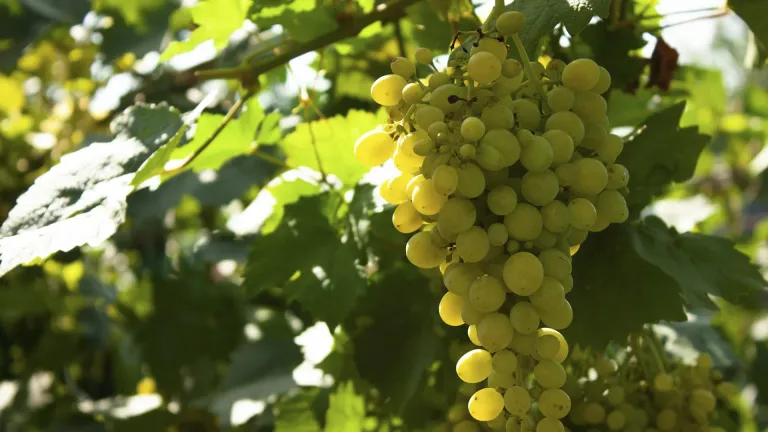
Airén: An In-Depth Grape Profile
Discover the unique characteristics of Airén, Spain's underrated grape. Learn about its flavor profile, and food pairings!


Are you interested in collaborating with us?
Get started